Yep, we may get a tiny thank-you (read: commission) when you buy through
links on Gadgetspotr — not enough for a yacht, but enough to keep the lights (and
servers) on.
Learn more
24
Highlights
50
Differences
6
Reactions
0
Likes
Nintendo DSi
vs
Nintendo 3DS:
24 Highlights & 50 Differences —
So, Which Handheld Console Actually Works Better
Battery life and performance trade-offs explained. Find out which is a better fit for your gaming needs.
We ran the full gadget test: Nintendo DSi vs Nintendo 3DS — from color options, region compatibility, analog stick technology & d-pad type to design smarts, here’s how they compare.
Nintendo DSi vs Nintendo 3DS: Which Portable Console Should You Pick?
The Nintendo DSi and Nintendo 3DS are both portable gaming consoles tailored for casual gamers, featuring compact designs, physical media support, and solid backward compatibility. While they share core traits like parental controls, secure boot, and compatible physical game formats, their differences in performance, display, and connectivity create distinct user experiences. The DSi shines with its longer battery life and stronger audio output, whereas the 3DS excels in gaming power, 3D display capability, and modern features like gyroscopic controls and Bluetooth connectivity.
Why the Nintendo DSi Stands Out as a Reliable Classic
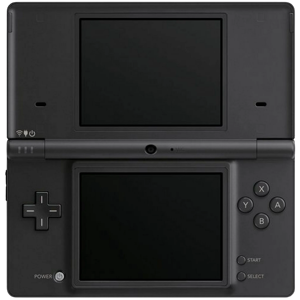
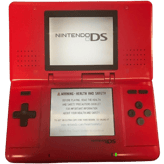
The Nintendo DSi's larger footprint, measuring about 12 cm wide, contributes to a lightweight device weighing just 0.53 lbs, making it comfortable for on-the-go play without feeling bulky. Its screen displays a standard 4:3 aspect ratio with medium brightness, although the resolution is on the low side compared to newer models.
Performance-wise, the DSi runs on a modest 0.133 GHz CPU with entry-level graphics capabilities designed for less demanding games. The console lacks advanced sensors like a gyroscope or motion sensor, focusing instead on traditional controls with low input latency through a potentiometer analog stick.
One of the DSi's key advantages is its exceptionally long battery life of 9 to 14 hours, paired with low power consumption. Additionally, it features a more powerful 1W speaker output enhanced by software, delivering louder audio compared to the 3DS. The console supports expandable storage, though internal capacity remains limited.
Connectivity options are basic but functional, with a proprietary USB port and no Bluetooth support, keeping the DSi rather traditional. The exclusive lack of high-speed data transfer reflects its older tech generation. It also lacks display accessories but benefits from an officially supported accessory ecosystem for charging and replacement parts.
Unlocking the Nintendo 3DS: High-Tech Performance and Immersive Play
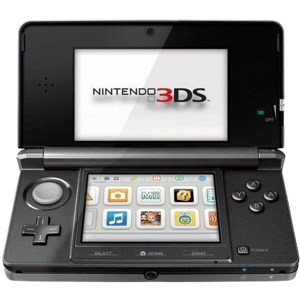
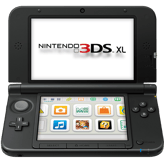
The Nintendo 3DS distinguishes itself with a more compact body, only 5.3 cm wide, but it weighs more, around 0.9 lbs. This trade-off leads to a device that fits more comfortably into pockets, offering better portability despite increased heft. The 3DS screen boasts a wider 16:9 aspect ratio with improved medium resolution and medium brightness, enhanced further by the hallmark 3D display feature that creates a more captivating gaming experience without glasses.
Under the hood, the 3DS has a notably stronger 0.27 GHz processor with medium-level graphics performance and multiple CPU cores, translating to smoother gameplay and faster loading times. It includes both a gyroscope and a motion sensor, enabling innovative control schemes for a variety of games.
Though the 3DS speakers are weaker at 0.5W and lack software enhancements found on the DSi, the system compensates with richer connectivity options such as Bluetooth 4.2 support, facilitating better multiplayer experiences and smoother data transfers. Power consumption is higher, reflected in a shorter battery life of 3 to 5 hours, but the 3DS features a standby mode that can last up to three days, extending usage time between charges.
Accessories for the 3DS also extend to display add-ons, enriching user interaction and gaming immersion, although protective cases remain an unofficial accessory. The 3DS offers multiple color options from Aqua Blue to Flame Red, creating a personalized gaming style.
Quick Take
If your priority is portability combined with a sharper, 3D-capable display and faster gaming performance, the Nintendo 3DS excels as a versatile and modern system. However, the Nintendo DSi remains an excellent choice for anyone valuing long battery life and louder audio at a budget-friendly price point.
Bottom Line
Overall, the $114.99 Nintendo DSi offers exceptional value for casual players who want lightweight portability and reliable battery endurance. Meanwhile, the $192.47 to $250 Nintendo 3DS commands a higher price but rewards gamers with a richer, more immersive experience through enhanced visuals, motion controls, and connectivity. For most users seeking the best all-around handheld gaming system, the 3DS is the superior pick despite its shorter battery life and heftier form.
Verdict
Winner: Nintendo 3DS - Offers superior graphics, innovative controls, and modern connectivity, making it a forward-thinking handheld console.
Runner-up: Nintendo DSi - Delivers better battery life and sound at a lower cost, ideal for budget-conscious gamers and extended play sessions.
0
Nintendo 3DS
1Votes
Aqua Blue,Cosmo Black,Flame Red,Pearl Pink,Ice White
vs
Color Options
Nintendo DSi offers two color options: White and Black, while Nintendo 3DS provides a wider variety including Aqua Blue, Cosmo Black, Flame Red, Pearl Pink, and Ice White. The 3DS is better for users desiring more personalization through color.
Indicates the available color variants.
In the battle of Color Options,
Nintendo DSi ◉ is
same as
Nintendo 3DS ◉
.
Based on community votes for Color Options,
Nintendo DSi ◉ earned
0 votes,
less than
Nintendo 3DS ◉,
which got 1 votes.
Both Nintendo DSi and Nintendo 3DS are region-locked, meaning their games and software are restricted to specific regional markets. This makes both consoles similar in terms of region compatibility, suitable for users planning to stick with region-specific content.
Indicates whether the device works across regions.
In the battle of Region Compatibility,
Nintendo DSi ◉ is
same as
Nintendo 3DS ◉
.
Don’t keep it to yourself — be the first to react and review the
Region Compatibility on Nintendo DSi ◉
vs Nintendo 3DS ◉ and help others decide!
Operating System
What operating system does this handheld console use?
0
Nintendo DSi
0Votes
Proprietary OS
0
Nintendo 3DS
0Votes
Proprietary OS
Nintendo DSi
The operating system is proprietary, optimized specifically for the hardware and user experience.
Specifies the core operating system that runs the handheld console and determines software compatibility, ecosystem access, and update flexibility.
In the battle of Operating System,
Nintendo DSi ◉ is
same as
Nintendo 3DS ◉
.
Don’t keep it to yourself — be the first to react and review the
Operating System on Nintendo DSi ◉
vs Nintendo 3DS ◉ and help others decide!
Release Year
What year was it released?
0
Nintendo DSi
0Votes
2009
0
Nintendo 3DS
0Votes
2011
Nintendo 3DS
Release year is 2011, indicating the hardware and software design reflect that generation's capabilities.
Older releases often emphasize portability and battery efficiency over modern high-performance features.
Shows the year the product was officially released.
In the battle of Release Year,
Nintendo DSi ◉ is
same as
Nintendo 3DS ◉
.
Don’t keep it to yourself — be the first to react and review the
Release Year on Nintendo DSi ◉
vs Nintendo 3DS ◉ and help others decide!
Intended User
Who is this handheld intended for?
0
Nintendo DSi
0Votes
Casual Gamers
0
Nintendo 3DS
0Votes
Casual Gamers
vs
Intended User
Both Nintendo DSi and Nintendo 3DS target casual gamers as their intended users, appealing to a broad audience seeking approachable and fun gaming experiences. This makes either console a solid choice for casual gaming.
Specifies the primary target audience for the device.
In the battle of Intended User,
Nintendo DSi ◉ is
same as
Nintendo 3DS ◉
.
Don’t keep it to yourself — be the first to react and review the
Intended User on Nintendo DSi ◉
vs Nintendo 3DS ◉ and help others decide!
Usage Mode
What usage modes are supported?
0
Nintendo DSi
0Votes
Handheld Only
0
Nintendo 3DS
0Votes
Handheld Only
Describes how the console is typically used.
In the battle of Usage Mode,
Nintendo DSi ◉ is
same as
Nintendo 3DS ◉
.
Don’t keep it to yourself — be the first to react and review the
Usage Mode on Nintendo DSi ◉
vs Nintendo 3DS ◉ and help others decide!
Primary Material
What is the primary material of the console body?
0
Nintendo DSi
0Votes
Plastic
0
Nintendo 3DS
0Votes
Plastic
Describes the main material used for the handheld console’s exterior housing, affecting durability, weight, and premium feel.
In the battle of Primary Material,
Nintendo DSi ◉ is
same as
Nintendo 3DS ◉
.
Don’t keep it to yourself — be the first to react and review the
Primary Material on Nintendo DSi ◉
vs Nintendo 3DS ◉ and help others decide!
Build Finish
What is the build finish?
0
Nintendo DSi
0Votes
Matte
0
Nintendo 3DS
0Votes
Matte
Describes the surface finish of the device.
In the battle of Build Finish,
Nintendo DSi ◉ is
same as
Nintendo 3DS ◉
.
Don’t keep it to yourself — be the first to react and review the
Build Finish on Nintendo DSi ◉
vs Nintendo 3DS ◉ and help others decide!
Ergonomic Design
Is the design ergonomic?
Yes
0Votes
Nintendo DSi
Yes
0Votes
Nintendo 3DS
Indicates whether the device is designed for comfortable long-term use.
In the battle of Ergonomic Design,
Nintendo DSi ◉ is
same as
Nintendo 3DS ◉
.
Don’t keep it to yourself — be the first to react and review the
Ergonomic Design on Nintendo DSi ◉
vs Nintendo 3DS ◉ and help others decide!
Portability Focus
Is portability a main focus?
Yes
0Votes
Nintendo DSi
Yes
0Votes
Nintendo 3DS
vs
Portability Focus
Portability is a focus for both Nintendo DSi and Nintendo 3DS, enabling gamers to enjoy their devices on the go. This shared feature ensures convenience and mobility for users valuing gaming anywhere.
Shows whether portability is a key design priority.
In the battle of Portability Focus,
Nintendo DSi ◉ is
same as
Nintendo 3DS ◉
.
Don’t keep it to yourself — be the first to react and review the
Portability Focus on Nintendo DSi ◉
vs Nintendo 3DS ◉ and help others decide!
Durability Rating
What is the durability rating of the console?
0
Nintendo DSi
0Votes
High
0
Nintendo 3DS
0Votes
Medium
Indicates the overall resistance of the handheld console to drops, wear, and long-term usage stress.
In the battle of Durability Rating,
Nintendo DSi ◉ is
same as
Nintendo 3DS ◉
.
Don’t keep it to yourself — be the first to react and review the
Durability Rating on Nintendo DSi ◉
vs Nintendo 3DS ◉ and help others decide!
Expandability
Does it support expandability?
Yes
0Votes
Nintendo DSi
Yes
0Votes
Nintendo 3DS
vs
Expandability
Nintendo DSi and Nintendo 3DS both support expandability, allowing users to increase storage or add accessories. This feature makes either console versatile and adaptable for growing gaming libraries and additional peripherals.
Shows if the system supports future expansion or upgrades.
In the battle of Expandability,
Nintendo DSi ◉ is
same as
Nintendo 3DS ◉
.
Don’t keep it to yourself — be the first to react and review the
Expandability on Nintendo DSi ◉
vs Nintendo 3DS ◉ and help others decide!
Repairability Level
How repairable is the device?
0
Nintendo DSi
0Votes
Low
0
Nintendo 3DS
0Votes
Low
Indicates how easy the device is to repair or service.
In the battle of Repairability Level,
Nintendo DSi ◉ is
same as
Nintendo 3DS ◉
.
Don’t keep it to yourself — be the first to react and review the
Repairability Level on Nintendo DSi ◉
vs Nintendo 3DS ◉ and help others decide!
Physical Dimensions & Weight
8
Weight
How much does the console weigh?
0.53
lbs
1Votes
0.9
lbs
0Votes
vs
Weight
Nintendo DSi weighs 0.53 lbs, making it considerably lighter than the Nintendo 3DS at 0.9 lbs. For users prioritizing lightweight design for comfortable extended use, the DSi is the better option.
Indicates the overall weight of the device for portability.
In the battle of Weight,
Nintendo DSi ◉ is
better than
Nintendo 3DS ◉
, delivering
lower
0.4 lbs
measurement.
Based on community votes for Weight,
Nintendo DSi ◉ earned
1 votes,
more than
Nintendo 3DS ◉,
which got 0 votes.
The DSi is way lighter which makes it easier to carry around all day.
See more
Width
What is the width of the console?
12
inch
0Votes
5.3
inch
0Votes
vs
Width
Nintendo DSi's width measures 12 inches, significantly larger than Nintendo 3DS's width of 5.3 inches. Users valuing a more pocket-friendly and compact console will find the 3DS much more suitable.
Measures the horizontal size of the console from side to side.
In the battle of Width,
Nintendo DSi ◉ is
worse than
Nintendo 3DS ◉
, delivering
higher
6.7 inch
measurement.
Don’t keep it to yourself — be the first to react and review the
Width on Nintendo DSi ◉
vs Nintendo 3DS ◉ and help others decide!
Package Width
What is the package width?
7.4
inch
0Votes
8.5
inch
0Votes
vs
Package Width
The package width for Nintendo DSi is 7.4 inches while the Nintendo 3DS package is wider at 8.5 inches. Those seeking a smaller storage footprint will prefer the DSi's packaging.
Width of the retail packaging.
In the battle of Package Width,
Nintendo DSi ◉ is
better than
Nintendo 3DS ◉
, delivering
lower
1.1 inch
measurement.
Don’t keep it to yourself — be the first to react and review the
Package Width on Nintendo DSi ◉
vs Nintendo 3DS ◉ and help others decide!
Package Depth
What is the package depth?
5.2
inch
0Votes
6.1
inch
0Votes
vs
Package Depth
The package depth for the Nintendo DSi is 5.2 inches compared to 6.1 inches for the Nintendo 3DS. Despite the DSi's wider device, its package depth is smaller, offering a mixed result, but the 3DS remains more compact overall.
Depth of the retail packaging.
In the battle of Package Depth,
Nintendo DSi ◉ is
better than
Nintendo 3DS ◉
, delivering
lower
0.9 inch
measurement.
Don’t keep it to yourself — be the first to react and review the
Package Depth on Nintendo DSi ◉
vs Nintendo 3DS ◉ and help others decide!
Package Height
What is the package height?
2.7
inch
0Votes
2.4
inch
0Votes
vs
Package Height
The package height of the Nintendo DSi is 2.7 inches compared to 2.4 inches for the Nintendo 3DS. The slight difference shows the 3DS package is more compact, benefiting those who prioritize smaller storage space or portability.
Height of the retail packaging.
In the battle of Package Height,
Nintendo DSi ◉ is
worse than
Nintendo 3DS ◉
, delivering
higher
0.3 inch
measurement.
Don’t keep it to yourself — be the first to react and review the
Package Height on Nintendo DSi ◉
vs Nintendo 3DS ◉ and help others decide!
Depth
What is the depth of the console?
12
inch
0Votes
2.9
inch
0Votes
Nintendo 3DS
Depth is 2.9 inch (7.37 cm), which balances internal component space with handheld ergonomics.
A compact depth helps with portability and pocket or bag fit.
Measures the front-to-back thickness of the device.
In the battle of Depth,
Nintendo DSi ◉ is
worse than
Nintendo 3DS ◉
, delivering
higher
9.1 inch
measurement.
Don’t keep it to yourself — be the first to react and review the
Depth on Nintendo DSi ◉
vs Nintendo 3DS ◉ and help others decide!
Height
What is the height of the console?
12
inch
0Votes
0.8
inch
0Votes
Nintendo 3DS
Height is 0.8 inch (2.03 cm), reflecting a slim profile.
A thinner device is easier to slide into bags and may feel lighter in hand.
Measures the vertical dimension of the handheld console.
In the battle of Height,
Nintendo DSi ◉ is
worse than
Nintendo 3DS ◉
, delivering
higher
11.2 inch
measurement.
Don’t keep it to yourself — be the first to react and review the
Height on Nintendo DSi ◉
vs Nintendo 3DS ◉ and help others decide!
Package Weight
What is the package weight?
1.1
lbs
0Votes
0.95
lbs
0Votes
Nintendo 3DS
0.95 lbs (0.43 kg) is the package weight, which includes the console and any bundled accessories.
This is useful when estimating shipping costs or shelf space.
Total weight including packaging and accessories.
In the battle of Package Weight,
Nintendo DSi ◉ is
worse than
Nintendo 3DS ◉
, delivering
higher
0.2 lbs
measurement.
Don’t keep it to yourself — be the first to react and review the
Package Weight on Nintendo DSi ◉
vs Nintendo 3DS ◉ and help others decide!
Nintendo DSi features a 4:3 aspect ratio display compared to the wider 16:9 aspect ratio on the Nintendo 3DS. The 3DS aspect ratio offers a more cinematic experience, better suited for modern gaming visuals.
Describes the proportional relationship between width and height.
In the battle of Aspect Ratio,
Nintendo DSi ◉ is
same as
Nintendo 3DS ◉
.
Don’t keep it to yourself — be the first to react and review the
Aspect Ratio on Nintendo DSi ◉
vs Nintendo 3DS ◉ and help others decide!
Nintendo DSi provides a low resolution width while the Nintendo 3DS offers a medium resolution width, resulting in clearer and sharper visuals on the 3DS. Gamers who prioritize screen clarity should choose the 3DS.
Categorizes the horizontal resolution clarity level of the display.
In the battle of Resolution Width,
Nintendo DSi ◉ is
same as
Nintendo 3DS ◉
.
Don’t keep it to yourself — be the first to react and review the
Resolution Width on Nintendo DSi ◉
vs Nintendo 3DS ◉ and help others decide!
Screen Size
What is the screen size?
3.25
inch
0Votes
3.53
inch
0Votes
Nintendo DSi
The screen size is 3.25 inch (8.26 cm) diagonally, typical for handheld consoles, suitable for portable use.
Nintendo 3DS
Screen size is 3.53 inch (8.97 cm) measured diagonally, indicating a compact display suitable for handheld gaming.
Smaller screens favor portability but reduce on-screen detail compared to larger handhelds.
Indicates the diagonal size of the display.
In the battle of Screen Size,
Nintendo DSi ◉ is
worse than
Nintendo 3DS ◉
, delivering
lower
0.3 inch
measurement.
Don’t keep it to yourself — be the first to react and review the
Screen Size on Nintendo DSi ◉
vs Nintendo 3DS ◉ and help others decide!
Refresh Rate
What is the refresh rate?
60
Hz
0Votes
60
Hz
0Votes
Nintendo DSi
The screen refresh rate is 60 Hz, standard for smooth animations and responsive gameplay.
Nintendo 3DS
Display refresh rate is 60 Hz, which is standard for smooth motion in many handheld games.
Higher refresh rates improve motion clarity but can increase power consumption.
Indicates how many times the screen refreshes per second.
In the battle of Refresh Rate,
Nintendo DSi ◉ is
same as
Nintendo 3DS ◉
, delivering
equal
60.00 Hz
measurement.
Don’t keep it to yourself — be the first to react and review the
Refresh Rate on Nintendo DSi ◉
vs Nintendo 3DS ◉ and help others decide!
Touchscreen
Does it support touchscreen input?
Yes
0Votes
Nintendo DSi
Yes
0Votes
Nintendo 3DS
Nintendo 3DS
Includes a touchscreen for direct finger or stylus interaction, useful for menus and touch-enabled games.
Touch input can simplify navigation and enable unique gameplay mechanics.
Shows whether the display supports touch input.
In the battle of Touchscreen,
Nintendo DSi ◉ is
same as
Nintendo 3DS ◉
.
Don’t keep it to yourself — be the first to react and review the
Touchscreen on Nintendo DSi ◉
vs Nintendo 3DS ◉ and help others decide!
Screen Type
What type of screen does it use?
0
Nintendo DSi
0Votes
LCD
0
Nintendo 3DS
0Votes
LCD
Defines the underlying display panel technology.
In the battle of Screen Type,
Nintendo DSi ◉ is
same as
Nintendo 3DS ◉
.
Don’t keep it to yourself — be the first to react and review the
Screen Type on Nintendo DSi ◉
vs Nintendo 3DS ◉ and help others decide!
Resolution Height
What is the resolution height level?
0
Nintendo DSi
0Votes
Low
0
Nintendo 3DS
0Votes
Medium
Categorizes the vertical resolution clarity level of the display.
In the battle of Resolution Height,
Nintendo DSi ◉ is
same as
Nintendo 3DS ◉
.
Don’t keep it to yourself — be the first to react and review the
Resolution Height on Nintendo DSi ◉
vs Nintendo 3DS ◉ and help others decide!
Brightness Level
How bright is the display?
0
Nintendo DSi
0Votes
Medium
0
Nintendo 3DS
0Votes
Medium
vs
Brightness Level
Both Nintendo DSi and Nintendo 3DS feature medium brightness levels on their displays. This means both consoles deliver reasonably visible screens in standard lighting environments.
Describes the overall brightness capability of the display.
In the battle of Brightness Level,
Nintendo DSi ◉ is
same as
Nintendo 3DS ◉
.
Don’t keep it to yourself — be the first to react and review the
Brightness Level on Nintendo DSi ◉
vs Nintendo 3DS ◉ and help others decide!
Color Gamut
What color gamut does the display support?
0
Nintendo DSi
0Votes
sRGB
0
Nintendo 3DS
0Votes
sRGB
Describes the range of colors the display is capable of reproducing.
In the battle of Color Gamut,
Nintendo DSi ◉ is
same as
Nintendo 3DS ◉
.
Don’t keep it to yourself — be the first to react and review the
Color Gamut on Nintendo DSi ◉
vs Nintendo 3DS ◉ and help others decide!
HDR
Does it support HDR?
No
0Votes
Nintendo DSi
No
0Votes
Nintendo 3DS
vs
HDR
Neither the Nintendo DSi nor the Nintendo 3DS supports HDR for enhanced color and contrast. Users seeking HDR capabilities will need to look elsewhere, as both consoles lack this feature.
Indicates support for high dynamic range content.
In the battle of HDR,
Nintendo DSi ◉ is
same as
Nintendo 3DS ◉
.
Don’t keep it to yourself — be the first to react and review the
HDR on Nintendo DSi ◉
vs Nintendo 3DS ◉ and help others decide!
Panel Protection
What type of panel protection does the display feature?
0
Nintendo DSi
0Votes
None
0
Nintendo 3DS
0Votes
None
vs
Panel Protection
Both Nintendo DSi and Nintendo 3DS lack panel protection on their displays. Users concerned with screen safety should consider external protective accessories with either device.
Refers to protective layers applied to the display surface to prevent scratches and damage.
In the battle of Panel Protection,
Nintendo DSi ◉ is
same as
Nintendo 3DS ◉
.
Don’t keep it to yourself — be the first to react and review the
Panel Protection on Nintendo DSi ◉
vs Nintendo 3DS ◉ and help others decide!
Bezel Size
How large are the bezels?
0
Nintendo DSi
0Votes
Thick
0
Nintendo 3DS
0Votes
Medium
Describes the thickness of the display borders.
In the battle of Bezel Size,
Nintendo DSi ◉ is
same as
Nintendo 3DS ◉
.
Don’t keep it to yourself — be the first to react and review the
Bezel Size on Nintendo DSi ◉
vs Nintendo 3DS ◉ and help others decide!
Anti-Glare Coating
Does it have anti-glare coating?
No
0Votes
Nintendo DSi
No
0Votes
Nintendo 3DS
Shows whether the screen reduces reflections.
In the battle of Anti-Glare Coating,
Nintendo DSi ◉ is
same as
Nintendo 3DS ◉
.
Don’t keep it to yourself — be the first to react and review the
Anti-Glare Coating on Nintendo DSi ◉
vs Nintendo 3DS ◉ and help others decide!
Variable Refresh Rate
Is variable refresh rate supported?
No
0Votes
Nintendo DSi
No
0Votes
Nintendo 3DS
Indicates dynamic adjustment of refresh rate for smoother visuals.
In the battle of Variable Refresh Rate,
Nintendo DSi ◉ is
same as
Nintendo 3DS ◉
.
Don’t keep it to yourself — be the first to react and review the
Variable Refresh Rate on Nintendo DSi ◉
vs Nintendo 3DS ◉ and help others decide!
Nintendo DSi features a low number of CPU cores while Nintendo 3DS uses a medium number of cores. More cores generally improve multitasking and game performance, making the 3DS the stronger device.
Categorizes the CPU core count level for multitasking and performance.
In the battle of CPU Cores,
Nintendo DSi ◉ is
same as
Nintendo 3DS ◉
.
Don’t keep it to yourself — be the first to react and review the
CPU Cores on Nintendo DSi ◉
vs Nintendo 3DS ◉ and help others decide!
Nintendo DSi targets entry-level graphics performance while Nintendo 3DS offers mid-tier graphics capabilities. Users interested in richer graphics should prefer the more capable 3DS.
Categorizes overall graphical capability.
In the battle of Graphics Performance Tier,
Nintendo DSi ◉ is
same as
Nintendo 3DS ◉
.
Don’t keep it to yourself — be the first to react and review the
Graphics Performance Tier on Nintendo DSi ◉
vs Nintendo 3DS ◉ and help others decide!
CPU Clock Speed
What is the CPU clock speed?
0.13
GHz
0Votes
0.27
GHz
1Votes
vs
CPU Clock Speed
The CPU clock speed for Nintendo DSi is 0.133 GHz compared to the faster 0.27 GHz in Nintendo 3DS. This higher processing speed in the 3DS offers smoother gameplay and better handling of complex games.
Shows the operating speed of the CPU.
In the battle of CPU Clock Speed,
Nintendo DSi ◉ is
worse than
Nintendo 3DS ◉
, delivering
lower
0.1 GHz
measurement.
Based on community votes for CPU Clock Speed,
Nintendo DSi ◉ earned
0 votes,
less than
Nintendo 3DS ◉,
which got 1 votes.
With a faster CPU clock the 3DS handles games smoother without lagging.
See more
Storage Type
What type of storage does it use?
0
Nintendo DSi
0Votes
eMMC
0
Nintendo 3DS
0Votes
eMMC
Nintendo DSi
Storage type is eMMC, which offers integrated flash memory providing a balance between speed and cost.
Describes the internal storage technology.
In the battle of Storage Type,
Nintendo DSi ◉ is
same as
Nintendo 3DS ◉
.
Don’t keep it to yourself — be the first to react and review the
Storage Type on Nintendo DSi ◉
vs Nintendo 3DS ◉ and help others decide!
Cooling Method
What cooling method is used?
0
Nintendo DSi
0Votes
Passive
0
Nintendo 3DS
0Votes
Passive
Nintendo 3DS
Cooling method is Passive, relying on chassis design and heat spread rather than fans.
Passive cooling favors silent operation but constrains sustained high-performance use.
Describes how heat is managed internally.
In the battle of Cooling Method,
Nintendo DSi ◉ is
same as
Nintendo 3DS ◉
.
Don’t keep it to yourself — be the first to react and review the
Cooling Method on Nintendo DSi ◉
vs Nintendo 3DS ◉ and help others decide!
Thermal Design Rating
How strong is the thermal design?
0
Nintendo DSi
0Votes
Low
0
Nintendo 3DS
0Votes
Low
Nintendo 3DS
Thermal design rating is Low, meaning the system expects modest heat output and limited cooling headroom.
Sustained heavy workloads may lead to thermal throttling if pushed beyond intended use.
Indicates thermal tolerance under load.
In the battle of Thermal Design Rating,
Nintendo DSi ◉ is
same as
Nintendo 3DS ◉
.
Don’t keep it to yourself — be the first to react and review the
Thermal Design Rating on Nintendo DSi ◉
vs Nintendo 3DS ◉ and help others decide!
Processor Type
What processor type does it use?
0
Nintendo DSi
0Votes
ARM
0
Nintendo 3DS
0Votes
Custom SoC
Identifies the processor architecture used by the handheld console.
In the battle of Processor Type,
Nintendo DSi ◉ is
same as
Nintendo 3DS ◉
.
Don’t keep it to yourself — be the first to react and review the
Processor Type on Nintendo DSi ◉
vs Nintendo 3DS ◉ and help others decide!
GPU Type
What type of gpu does it use?
0
Nintendo DSi
0Votes
Integrated
0
Nintendo 3DS
0Votes
Custom GPU
Describes the type of graphics processor used for rendering visuals.
In the battle of GPU Type,
Nintendo DSi ◉ is
same as
Nintendo 3DS ◉
.
Don’t keep it to yourself — be the first to react and review the
GPU Type on Nintendo DSi ◉
vs Nintendo 3DS ◉ and help others decide!
System Memory Capacity
How much system memory is available?
0
Nintendo DSi
0Votes
Low
0
Nintendo 3DS
0Votes
Low
Categorizes available system memory for games and applications.
In the battle of System Memory Capacity,
Nintendo DSi ◉ is
same as
Nintendo 3DS ◉
.
Don’t keep it to yourself — be the first to react and review the
System Memory Capacity on Nintendo DSi ◉
vs Nintendo 3DS ◉ and help others decide!
Memory Type
What type of memory does it use?
0
Nintendo DSi
0Votes
DDR4
0
Nintendo 3DS
0Votes
DDR4
Specifies the type of memory technology used by the system.
In the battle of Memory Type,
Nintendo DSi ◉ is
same as
Nintendo 3DS ◉
.
Don’t keep it to yourself — be the first to react and review the
Memory Type on Nintendo DSi ◉
vs Nintendo 3DS ◉ and help others decide!
Internal Storage Capacity
How much internal storage is available?
0
Nintendo DSi
0Votes
Low
0
Nintendo 3DS
0Votes
Low
vs
Internal Storage Capacity
Both Nintendo DSi and Nintendo 3DS have low internal storage capacity, limiting saved data and downloadable content. Additional storage expansion is advisable for frequent users of either console.
Categorizes built-in storage space for games and data.
In the battle of Internal Storage Capacity,
Nintendo DSi ◉ is
same as
Nintendo 3DS ◉
.
Don’t keep it to yourself — be the first to react and review the
Internal Storage Capacity on Nintendo DSi ◉
vs Nintendo 3DS ◉ and help others decide!
Expandable Storage Type
What expandable storage type is supported?
0
Nintendo DSi
0Votes
microSD
0
Nintendo 3DS
0Votes
microSD
Indicates supported expandable storage formats.
In the battle of Expandable Storage Type,
Nintendo DSi ◉ is
same as
Nintendo 3DS ◉
.
Don’t keep it to yourself — be the first to react and review the
Expandable Storage Type on Nintendo DSi ◉
vs Nintendo 3DS ◉ and help others decide!
Performance Modes
What performance modes are available?
0
Nintendo DSi
0Votes
Power Saving
0
Nintendo 3DS
0Votes
Balanced
vs
Performance Modes
Nintendo DSi operates in power-saving performance mode, whereas Nintendo 3DS balances performance and power consumption. For better gaming performance without heavily sacrificing battery, 3DS is more suitable.
Defines selectable system performance profiles.
In the battle of Performance Modes,
Nintendo DSi ◉ is
same as
Nintendo 3DS ◉
.
Don’t keep it to yourself — be the first to react and review the
Performance Modes on Nintendo DSi ◉
vs Nintendo 3DS ◉ and help others decide!
Multitasking
Does it support multitasking?
No
0Votes
Nintendo DSi
Yes
0Votes
Nintendo 3DS
Indicates ability to run multiple tasks smoothly.
In the battle of Multitasking,
Nintendo DSi ◉ is
worse than
Nintendo 3DS ◉
.
Don’t keep it to yourself — be the first to react and review the
Multitasking on Nintendo DSi ◉
vs Nintendo 3DS ◉ and help others decide!
Boot Time
How fast is the boot time?
0
Nintendo DSi
0Votes
Fast
0
Nintendo 3DS
0Votes
Moderate
Describes how quickly the system starts up from power on.
In the battle of Boot Time,
Nintendo DSi ◉ is
same as
Nintendo 3DS ◉
.
Don’t keep it to yourself — be the first to react and review the
Boot Time on Nintendo DSi ◉
vs Nintendo 3DS ◉ and help others decide!
Load Time Optimization
Are load times optimized?
No
0Votes
Nintendo DSi
No
0Votes
Nintendo 3DS
Indicates optimizations for faster game loading.
In the battle of Load Time Optimization,
Nintendo DSi ◉ is
same as
Nintendo 3DS ◉
.
Don’t keep it to yourself — be the first to react and review the
Load Time Optimization on Nintendo DSi ◉
vs Nintendo 3DS ◉ and help others decide!
Hardware Acceleration
Is hardware acceleration supported?
Yes
0Votes
Nintendo DSi
Yes
0Votes
Nintendo 3DS
Shows support for hardware-level performance boosts.
In the battle of Hardware Acceleration,
Nintendo DSi ◉ is
same as
Nintendo 3DS ◉
.
Don’t keep it to yourself — be the first to react and review the
Hardware Acceleration on Nintendo DSi ◉
vs Nintendo 3DS ◉ and help others decide!
System Stability Rating
How stable is the system?
0
Nintendo DSi
0Votes
High
0
Nintendo 3DS
0Votes
Medium
Rates stability under sustained usage.
In the battle of System Stability Rating,
Nintendo DSi ◉ is
same as
Nintendo 3DS ◉
.
Don’t keep it to yourself — be the first to react and review the
System Stability Rating on Nintendo DSi ◉
vs Nintendo 3DS ◉ and help others decide!
Nintendo DSi lacks gyroscope support, whereas the Nintendo 3DS includes a gyroscope sensor. The 3DS provides enhanced motion control for more immersive gaming experiences.
Shows whether a gyroscope is built in.
In the battle of Gyroscope,
Nintendo DSi ◉ is
worse than
Nintendo 3DS ◉
.
Based on community votes for Gyroscope,
Nintendo DSi ◉ earned
0 votes,
less than
Nintendo 3DS ◉,
which got 1 votes.
Both Nintendo DSi and Nintendo 3DS utilize potentiometer technology for their analog sticks, ensuring similar precision and control responsiveness for gaming input.
Describes the underlying technology used in analog sticks, affecting accuracy, durability, and drift resistance.
In the battle of Analog Stick Technology,
Nintendo DSi ◉ is
same as
Nintendo 3DS ◉
.
Don’t keep it to yourself — be the first to react and review the
Analog Stick Technology on Nintendo DSi ◉
vs Nintendo 3DS ◉ and help others decide!
Nintendo DSi does not have a motion sensor but the Nintendo 3DS includes one. This feature in 3DS enables motion-based gameplay and more interactive control options.
Indicates support for motion-based input.
In the battle of Motion Sensor,
Nintendo DSi ◉ is
worse than
Nintendo 3DS ◉
.
Don’t keep it to yourself — be the first to react and review the
Motion Sensor on Nintendo DSi ◉
vs Nintendo 3DS ◉ and help others decide!
Nintendo DSi and Nintendo 3DS both have low input latency ratings, which means responsive game controls and enjoyable user experience on either device.
Rates responsiveness of control input.
In the battle of Input Latency Rating,
Nintendo DSi ◉ is
same as
Nintendo 3DS ◉
.
Don’t keep it to yourself — be the first to react and review the
Input Latency Rating on Nintendo DSi ◉
vs Nintendo 3DS ◉ and help others decide!
Control Layout Type
What control layout does it use?
0
Nintendo DSi
0Votes
Symmetrical
0
Nintendo 3DS
0Votes
Asymmetrical
Nintendo DSi
The control layout type is symmetrical, meaning the joystick and buttons are evenly aligned on both sides, providing balanced ergonomics for gameplay.
Defines the overall arrangement of controls.
In the battle of Control Layout Type,
Nintendo DSi ◉ is
same as
Nintendo 3DS ◉
.
Don’t keep it to yourself — be the first to react and review the
Control Layout Type on Nintendo DSi ◉
vs Nintendo 3DS ◉ and help others decide!
Button Count
How many buttons does it have?
0
Nintendo DSi
0Votes
10
0
Nintendo 3DS
0Votes
12
Nintendo DSi
The device features 10 buttons, offering a good amount of inputs for varied gameplay controls.
Total number of physical buttons on the device.
In the battle of Button Count,
Nintendo DSi ◉ is
same as
Nintendo 3DS ◉
.
Don’t keep it to yourself — be the first to react and review the
Button Count on Nintendo DSi ◉
vs Nintendo 3DS ◉ and help others decide!
Trigger Type
What type of triggers are included?
0
Nintendo DSi
0Votes
Digital
0
Nintendo 3DS
0Votes
Digital
Nintendo DSi
Digital trigger types provide precise on/off inputs, common in handheld console controls.
Indicates whether triggers are pressure-sensitive.
In the battle of Trigger Type,
Nintendo DSi ◉ is
same as
Nintendo 3DS ◉
.
Don’t keep it to yourself — be the first to react and review the
Trigger Type on Nintendo DSi ◉
vs Nintendo 3DS ◉ and help others decide!
Analog Stick Count
How many analog sticks are included?
0
Nintendo DSi
0Votes
0
0
Nintendo 3DS
0Votes
1
Indicates the number of analog sticks available.
In the battle of Analog Stick Count,
Nintendo DSi ◉ is
same as
Nintendo 3DS ◉
.
Don’t keep it to yourself — be the first to react and review the
Analog Stick Count on Nintendo DSi ◉
vs Nintendo 3DS ◉ and help others decide!
Button Type
What type of buttons are used?
0
Nintendo DSi
0Votes
Membrane
0
Nintendo 3DS
0Votes
Mechanical
Specifies the button actuation style.
In the battle of Button Type,
Nintendo DSi ◉ is
same as
Nintendo 3DS ◉
.
Don’t keep it to yourself — be the first to react and review the
Button Type on Nintendo DSi ◉
vs Nintendo 3DS ◉ and help others decide!
Haptic Feedback
Does it support haptic feedback?
No
0Votes
Nintendo DSi
No
0Votes
Nintendo 3DS
Shows whether advanced vibration feedback is supported.
In the battle of Haptic Feedback,
Nintendo DSi ◉ is
same as
Nintendo 3DS ◉
.
Don’t keep it to yourself — be the first to react and review the
Haptic Feedback on Nintendo DSi ◉
vs Nintendo 3DS ◉ and help others decide!
Accelerometer
Is an accelerometer included?
No
0Votes
Nintendo DSi
Yes
0Votes
Nintendo 3DS
Indicates presence of an accelerometer sensor.
In the battle of Accelerometer,
Nintendo DSi ◉ is
worse than
Nintendo 3DS ◉
.
Don’t keep it to yourself — be the first to react and review the
Accelerometer on Nintendo DSi ◉
vs Nintendo 3DS ◉ and help others decide!
Touch Input Type
What type of touch input is used?
0
Nintendo DSi
0Votes
Resistive
0
Nintendo 3DS
0Votes
Resistive
Describes the touchscreen input technology.
In the battle of Touch Input Type,
Nintendo DSi ◉ is
same as
Nintendo 3DS ◉
.
Don’t keep it to yourself — be the first to react and review the
Touch Input Type on Nintendo DSi ◉
vs Nintendo 3DS ◉ and help others decide!
Macro
Are macros supported?
No
0Votes
Nintendo DSi
No
0Votes
Nintendo 3DS
Indicates whether custom macros can be assigned.
In the battle of Macro,
Nintendo DSi ◉ is
same as
Nintendo 3DS ◉
.
Don’t keep it to yourself — be the first to react and review the
Macro on Nintendo DSi ◉
vs Nintendo 3DS ◉ and help others decide!
Remappable Controls
Are controls remappable?
No
0Votes
Nintendo DSi
No
0Votes
Nintendo 3DS
Shows whether button mapping can be customized.
In the battle of Remappable Controls,
Nintendo DSi ◉ is
same as
Nintendo 3DS ◉
.
Don’t keep it to yourself — be the first to react and review the
Remappable Controls on Nintendo DSi ◉
vs Nintendo 3DS ◉ and help others decide!
Accessibility Controls
Are accessibility controls available?
No
0Votes
Nintendo DSi
No
0Votes
Nintendo 3DS
Indicates support for accessibility-focused input options.
In the battle of Accessibility Controls,
Nintendo DSi ◉ is
same as
Nintendo 3DS ◉
.
Don’t keep it to yourself — be the first to react and review the
Accessibility Controls on Nintendo DSi ◉
vs Nintendo 3DS ◉ and help others decide!
Nintendo DSi employs software enhancement for audio output quality, whereas Nintendo 3DS uses no audio enhancement technology. This might give the DSi slightly better sound processing.
Refers to technologies used to improve sound quality, clarity, or spatial effects.
In the battle of Audio Enhancement Technology,
Nintendo DSi ◉ is
same as
Nintendo 3DS ◉
.
Don’t keep it to yourself — be the first to react and review the
Audio Enhancement Technology on Nintendo DSi ◉
vs Nintendo 3DS ◉ and help others decide!
Both Nintendo DSi and Nintendo 3DS include a headphone jack, allowing private audio listening and flexibility for various headphones, enhancing portability usability.
Shows whether a standard headphone jack is available.
In the battle of Headphone Jack,
Nintendo DSi ◉ is
same as
Nintendo 3DS ◉
.
Don’t keep it to yourself — be the first to react and review the
Headphone Jack on Nintendo DSi ◉
vs Nintendo 3DS ◉ and help others decide!
Neither Nintendo DSi nor Nintendo 3DS supports wireless audio, so both rely on wired headphones or external speakers for sound output.
Indicates support for wireless audio devices.
In the battle of Wireless Audio,
Nintendo DSi ◉ is
same as
Nintendo 3DS ◉
.
Don’t keep it to yourself — be the first to react and review the
Wireless Audio on Nintendo DSi ◉
vs Nintendo 3DS ◉ and help others decide!
Speaker Power Output
How powerful are the speakers?
1
Watt
0Votes
0.5
Watt
0Votes
vs
Speaker Power Output
Nintendo DSi provides 1 watt of speaker power output, double the 0.5 watt output of Nintendo 3DS. This makes DSi better for louder built-in sound without headphones.
Indicates the loudness capability of the built-in speakers.
In the battle of Speaker Power Output,
Nintendo DSi ◉ is
better than
Nintendo 3DS ◉
, delivering
higher
0.5 Watt
measurement.
Don’t keep it to yourself — be the first to react and review the
Speaker Power Output on Nintendo DSi ◉
vs Nintendo 3DS ◉ and help others decide!
Microphone Type
What type of microphone is included?
0
Nintendo DSi
0Votes
Built-in
0
Nintendo 3DS
0Votes
Built-in
Nintendo 3DS
Microphone type is Built-in, enabling voice input and basic chat without extra accessories.
Built-in mics are convenient but may be less capable than dedicated external microphones.
Describes the microphone configuration used for voice input.
In the battle of Microphone Type,
Nintendo DSi ◉ is
same as
Nintendo 3DS ◉
.
Don’t keep it to yourself — be the first to react and review the
Microphone Type on Nintendo DSi ◉
vs Nintendo 3DS ◉ and help others decide!
Audio Codec
Which audio codecs are supported?
0
Nintendo DSi
0Votes
SBC
0
Nintendo 3DS
0Votes
SBC, AAC
Nintendo DSi
The audio codec used is SBC, a widely supported codec that balances audio quality and compatibility.
Indicates supported audio codecs for wired or wireless audio transmission.
In the battle of Audio Codec,
Nintendo DSi ◉ is
same as
Nintendo 3DS ◉
.
Don’t keep it to yourself — be the first to react and review the
Audio Codec on Nintendo DSi ◉
vs Nintendo 3DS ◉ and help others decide!
Speaker Configuration
What is the speaker configuration?
0
Nintendo DSi
0Votes
Stereo
0
Nintendo 3DS
0Votes
Stereo
Describes the number and arrangement of built-in speakers.
In the battle of Speaker Configuration,
Nintendo DSi ◉ is
same as
Nintendo 3DS ◉
.
Don’t keep it to yourself — be the first to react and review the
Speaker Configuration on Nintendo DSi ◉
vs Nintendo 3DS ◉ and help others decide!
Microphone Noise Cancellation
Is noise cancellation supported?
No
0Votes
Nintendo DSi
No
0Votes
Nintendo 3DS
Indicates whether background noise is reduced during voice input.
In the battle of Microphone Noise Cancellation,
Nintendo DSi ◉ is
same as
Nintendo 3DS ◉
.
Don’t keep it to yourself — be the first to react and review the
Microphone Noise Cancellation on Nintendo DSi ◉
vs Nintendo 3DS ◉ and help others decide!
Surround Sound
Is surround sound supported?
No
0Votes
Nintendo DSi
No
0Votes
Nintendo 3DS
Indicates support for virtual or spatial surround sound.
In the battle of Surround Sound,
Nintendo DSi ◉ is
same as
Nintendo 3DS ◉
.
Don’t keep it to yourself — be the first to react and review the
Surround Sound on Nintendo DSi ◉
vs Nintendo 3DS ◉ and help others decide!
Audio Latency
How low is the audio latency?
0
Nintendo DSi
0Votes
Low
0
Nintendo 3DS
0Votes
Low
vs
Audio Latency
Both systems have low audio latency, which ensures synchronized sound and game action, improving gameplay immersion on both Nintendo DSi and Nintendo 3DS.
Categorizes the delay between audio output and on-screen action.
In the battle of Audio Latency,
Nintendo DSi ◉ is
same as
Nintendo 3DS ◉
.
Don’t keep it to yourself — be the first to react and review the
Audio Latency on Nintendo DSi ◉
vs Nintendo 3DS ◉ and help others decide!
The DSi battery life of 9-14 hours is impressive and lasts way longer than the 3DS.
See more
Video Playback Battery Life
How long does it last during video playback?
0
Nintendo DSi
0Votes
8-12 hours
0
Nintendo 3DS
0Votes
5 hours
Nintendo DSi
Video playback battery life ranges between 8-12 hours, enabling long non-interactive media viewing on a single charge.
Nintendo 3DS
Video playback battery life is 5 hours, useful for estimating continuous media playback time.
Streaming or higher brightness may reduce this figure.
Battery duration when playing video content.
In the battle of Video Playback Battery Life,
Nintendo DSi ◉ is
same as
Nintendo 3DS ◉
.
Don’t keep it to yourself — be the first to react and review the
Video Playback Battery Life on Nintendo DSi ◉
vs Nintendo 3DS ◉ and help others decide!
Charging Time
How long does it take to charge?
0
Nintendo DSi
0Votes
2.5 hours
0
Nintendo 3DS
0Votes
3.5 hours
Nintendo DSi
Charging time is approximately 2.5 hours, indicating the duration needed to fully recharge the battery.
Nintendo 3DS
Full charging time is 3.5 hours with the supplied charger, which determines turnaround between sessions.
Faster chargers or different chargers may change actual charge times if supported.
Time required to fully charge the battery.
In the battle of Charging Time,
Nintendo DSi ◉ is
same as
Nintendo 3DS ◉
.
Don’t keep it to yourself — be the first to react and review the
Charging Time on Nintendo DSi ◉
vs Nintendo 3DS ◉ and help others decide!
Power Consumption
How much power does it consume?
2.5
Watt
0Votes
4
Watt
0Votes
vs
Power Consumption
Power consumption is lower in Nintendo DSi at 2.5 watts versus 4 watts for Nintendo 3DS. DSi is more energy efficient, which contributes to its longer battery life.
Measures average power draw during operation.
In the battle of Power Consumption,
Nintendo DSi ◉ is
better than
Nintendo 3DS ◉
, delivering
lower
1.5 Watt
measurement.
Don’t keep it to yourself — be the first to react and review the
Power Consumption on Nintendo DSi ◉
vs Nintendo 3DS ◉ and help others decide!
Battery Type
What type of battery does it use?
0
Nintendo DSi
0Votes
Lithium-Ion
0
Nintendo 3DS
0Votes
Lithium-Ion
Nintendo 3DS
Battery type is Lithium-Ion, a common rechargeable chemistry offering good energy density.
Lithium-Ion cells are widely used and supported for replacement and recycling.
Specifies the chemistry of the internal battery.
In the battle of Battery Type,
Nintendo DSi ◉ is
same as
Nintendo 3DS ◉
.
Don’t keep it to yourself — be the first to react and review the
Battery Type on Nintendo DSi ◉
vs Nintendo 3DS ◉ and help others decide!
Gaming Battery Life
How long does it last while gaming?
0
Nintendo DSi
0Votes
9-14 hours
0
Nintendo 3DS
0Votes
3-5 hours
Nintendo 3DS
Typical gaming battery life is 3-5 hours, varying by title, brightness, and wireless use.
Lower-power games and conservative settings can extend runtime toward the upper end.
Runtime specifically during active gaming sessions.
In the battle of Gaming Battery Life,
Nintendo DSi ◉ is
same as
Nintendo 3DS ◉
.
Don’t keep it to yourself — be the first to react and review the
Gaming Battery Life on Nintendo DSi ◉
vs Nintendo 3DS ◉ and help others decide!
Replaceable Battery
Is the battery replaceable?
Yes
0Votes
Nintendo DSi
Yes
0Votes
Nintendo 3DS
Nintendo 3DS
Features a user-replaceable battery so you can swap the cell without specialized repair services.
This improves long-term maintenance and allows carrying spares for extended trips.
Indicates whether the battery can be user-replaced.
In the battle of Replaceable Battery,
Nintendo DSi ◉ is
same as
Nintendo 3DS ◉
.
Don’t keep it to yourself — be the first to react and review the
Replaceable Battery on Nintendo DSi ◉
vs Nintendo 3DS ◉ and help others decide!
Battery Capacity
What is the battery capacity level?
0
Nintendo DSi
0Votes
Low
0
Nintendo 3DS
0Votes
Low
vs
Battery Capacity
Both devices have low battery capacity, but Nintendo DSi offers an average battery life of 9-14 hours compared to Nintendo 3DS's shorter 3-5 hours. For longer mobile gaming sessions, DSi is more suitable.
Categorizes the overall battery size affecting usage duration.
In the battle of Battery Capacity,
Nintendo DSi ◉ is
same as
Nintendo 3DS ◉
.
Don’t keep it to yourself — be the first to react and review the
Battery Capacity on Nintendo DSi ◉
vs Nintendo 3DS ◉ and help others decide!
Standby Battery Life
How long does it last in standby?
Who knows?
0Votes
Nintendo DSi
(Help us out by suggesting one!)
0
Nintendo 3DS
0Votes
Up to 3 days
vs
Standby Battery Life
Standby battery life is unavailable for Nintendo DSi, while the Nintendo 3DS offers up to 3 days. For users who want longer standby times, 3DS is advantageous.
Time the device can remain powered on in standby.
Don’t keep it to yourself — be the first to react and review the
Standby Battery Life on Nintendo DSi ◉
vs Nintendo 3DS ◉ and help others decide!
Charging Method
How is the device charged?
0
Nintendo DSi
0Votes
Wired
0
Nintendo 3DS
0Votes
Wired
Describes how the device is charged.
In the battle of Charging Method,
Nintendo DSi ◉ is
same as
Nintendo 3DS ◉
.
Don’t keep it to yourself — be the first to react and review the
Charging Method on Nintendo DSi ◉
vs Nintendo 3DS ◉ and help others decide!
Charging Port Type
What charging port does it use?
0
Nintendo DSi
0Votes
Proprietary
0
Nintendo 3DS
0Votes
Proprietary
vs
Charging Port Type
Both Nintendo DSi and Nintendo 3DS use proprietary charging ports, which means accessories are not interchangeable with standard USB chargers, potentially limiting charging options.
Specifies the physical charging port.
In the battle of Charging Port Type,
Nintendo DSi ◉ is
same as
Nintendo 3DS ◉
.
Don’t keep it to yourself — be the first to react and review the
Charging Port Type on Nintendo DSi ◉
vs Nintendo 3DS ◉ and help others decide!
Fast Charging
Does it support fast charging?
No
0Votes
Nintendo DSi
No
0Votes
Nintendo 3DS
Indicates support for rapid charging.
In the battle of Fast Charging,
Nintendo DSi ◉ is
same as
Nintendo 3DS ◉
.
Don’t keep it to yourself — be the first to react and review the
Fast Charging on Nintendo DSi ◉
vs Nintendo 3DS ◉ and help others decide!
Power Saving Mode
Is there a power saving mode?
Yes
0Votes
Nintendo DSi
Yes
0Votes
Nintendo 3DS
Shows support for reduced power usage modes.
In the battle of Power Saving Mode,
Nintendo DSi ◉ is
same as
Nintendo 3DS ◉
.
Don’t keep it to yourself — be the first to react and review the
Power Saving Mode on Nintendo DSi ◉
vs Nintendo 3DS ◉ and help others decide!
Overcharge Protection
Is overcharge protection included?
Yes
0Votes
Nintendo DSi
Yes
0Votes
Nintendo 3DS
Indicates built-in protection against overcharging.
In the battle of Overcharge Protection,
Nintendo DSi ◉ is
same as
Nintendo 3DS ◉
.
Don’t keep it to yourself — be the first to react and review the
Overcharge Protection on Nintendo DSi ◉
vs Nintendo 3DS ◉ and help others decide!
Who knows?
0Votes
Nintendo DSi
(Help us out by suggesting one!)
0
Nintendo 3DS
0Votes
Bluetooth 4.2
vs
Bluetooth Version
Bluetooth version is unavailable for Nintendo DSi, but Nintendo 3DS supports Bluetooth 4.2, allowing better wireless peripheral connectivity on the 3DS.
Specifies the Bluetooth standard supported by the handheld console, affecting range, stability, and audio performance.
Don’t keep it to yourself — be the first to react and review the
Bluetooth Version on Nintendo DSi ◉
vs Nintendo 3DS ◉ and help others decide!
Data transfer speed is low on Nintendo DSi but medium on Nintendo 3DS. The 3DS supports faster data exchange, beneficial for downloads and multiplayer connections.
Categorizes the maximum supported data transfer speed for file transfers and external connections.
In the battle of Data Transfer Speed,
Nintendo DSi ◉ is
same as
Nintendo 3DS ◉
.
Don’t keep it to yourself — be the first to react and review the
Data Transfer Speed on Nintendo DSi ◉
vs Nintendo 3DS ◉ and help others decide!
Wireless Connectivity
What wireless connectivity options are supported?
0
Nintendo DSi
0Votes
Wi-Fi
0
Nintendo 3DS
0Votes
Wi-Fi, Bluetooth
Nintendo DSi
Wireless connectivity supports Wi-Fi, enabling internet access and online features.
Indicates supported wireless connection types.
In the battle of Wireless Connectivity,
Nintendo DSi ◉ is
same as
Nintendo 3DS ◉
.
Don’t keep it to yourself — be the first to react and review the
Wireless Connectivity on Nintendo DSi ◉
vs Nintendo 3DS ◉ and help others decide!
Wi-Fi Standard
Which Wi-Fi standard is supported?
0
Nintendo DSi
0Votes
Wi-Fi 4
0
Nintendo 3DS
0Votes
Wi-Fi 4
Nintendo DSi
This device supports Wi-Fi 4, which provides reliable wireless connectivity suitable for online features on the handheld.
Specifies the supported Wi-Fi generation.
In the battle of Wi-Fi Standard,
Nintendo DSi ◉ is
same as
Nintendo 3DS ◉
.
Don’t keep it to yourself — be the first to react and review the
Wi-Fi Standard on Nintendo DSi ◉
vs Nintendo 3DS ◉ and help others decide!
USB Port Type
What type of USB port is included?
0
Nintendo DSi
0Votes
Proprietary
0
Nintendo 3DS
0Votes
Proprietary
vs
USB Port Type
Both consoles have proprietary USB port types, meaning USB connectivity and accessories are limited to proprietary designs for each model.
Specifies the type of USB port used.
In the battle of USB Port Type,
Nintendo DSi ◉ is
same as
Nintendo 3DS ◉
.
Don’t keep it to yourself — be the first to react and review the
USB Port Type on Nintendo DSi ◉
vs Nintendo 3DS ◉ and help others decide!
Cellular
Does it support cellular connectivity?
No
0Votes
Nintendo DSi
No
0Votes
Nintendo 3DS
Shows whether mobile data connectivity is available.
In the battle of Cellular,
Nintendo DSi ◉ is
same as
Nintendo 3DS ◉
.
Don’t keep it to yourself — be the first to react and review the
Cellular on Nintendo DSi ◉
vs Nintendo 3DS ◉ and help others decide!
USB Port Count
How many USB ports are available?
0
Nintendo DSi
0Votes
0
0
Nintendo 3DS
0Votes
0
Number of available USB ports.
In the battle of USB Port Count,
Nintendo DSi ◉ is
same as
Nintendo 3DS ◉
.
Don’t keep it to yourself — be the first to react and review the
USB Port Count on Nintendo DSi ◉
vs Nintendo 3DS ◉ and help others decide!
Video Output
Does it support video output?
No
0Votes
Nintendo DSi
No
0Votes
Nintendo 3DS
vs
Video Output
Both Nintendo DSi and Nintendo 3DS lack video output functionality, preventing gameplay display on external screens.
Indicates whether video output is supported.
In the battle of Video Output,
Nintendo DSi ◉ is
same as
Nintendo 3DS ◉
.
Don’t keep it to yourself — be the first to react and review the
Video Output on Nintendo DSi ◉
vs Nintendo 3DS ◉ and help others decide!
Docking
Is docking supported?
No
0Votes
Nintendo DSi
Yes
0Votes
Nintendo 3DS
Shows compatibility with docking stations.
In the battle of Docking,
Nintendo DSi ◉ is
worse than
Nintendo 3DS ◉
.
Don’t keep it to yourself — be the first to react and review the
Docking on Nintendo DSi ◉
vs Nintendo 3DS ◉ and help others decide!
External Display
Can it connect to an external display?
No
0Votes
Nintendo DSi
No
0Votes
Nintendo 3DS
Indicates support for external monitors or TVs.
In the battle of External Display,
Nintendo DSi ◉ is
same as
Nintendo 3DS ◉
.
Don’t keep it to yourself — be the first to react and review the
External Display on Nintendo DSi ◉
vs Nintendo 3DS ◉ and help others decide!
NFC
Is NFC supported?
No
0Votes
Nintendo DSi
No
0Votes
Nintendo 3DS
vs
NFC
Neither Nintendo DSi nor Nintendo 3DS supports NFC, so they cannot use contactless communication features for gaming or accessories.
Indicates support for near-field communication.
In the battle of NFC,
Nintendo DSi ◉ is
same as
Nintendo 3DS ◉
.
Don’t keep it to yourself — be the first to react and review the
NFC on Nintendo DSi ◉
vs Nintendo 3DS ◉ and help others decide!
GPS
Is GPS supported?
No
0Votes
Nintendo DSi
No
0Votes
Nintendo 3DS
Shows whether location services are available.
In the battle of GPS,
Nintendo DSi ◉ is
same as
Nintendo 3DS ◉
.
Don’t keep it to yourself — be the first to react and review the
GPS on Nintendo DSi ◉
vs Nintendo 3DS ◉ and help others decide!
Cloud Connectivity
Does it support cloud connectivity?
No
0Votes
Nintendo DSi
No
0Votes
Nintendo 3DS
Indicates integration with cloud services.
In the battle of Cloud Connectivity,
Nintendo DSi ◉ is
same as
Nintendo 3DS ◉
.
Don’t keep it to yourself — be the first to react and review the
Cloud Connectivity on Nintendo DSi ◉
vs Nintendo 3DS ◉ and help others decide!
Online Services
Are online services supported?
Yes
0Votes
Nintendo DSi
Yes
0Votes
Nintendo 3DS
Shows compatibility with online platforms and services.
In the battle of Online Services,
Nintendo DSi ◉ is
same as
Nintendo 3DS ◉
.
Don’t keep it to yourself — be the first to react and review the
Online Services on Nintendo DSi ◉
vs Nintendo 3DS ◉ and help others decide!
Both Nintendo DSi and Nintendo 3DS support backward compatibility, allowing play of games from previous generation consoles, enhancing their game library options.
Indicates support for games from previous generations.
In the battle of Backward Compatibility,
Nintendo DSi ◉ is
same as
Nintendo 3DS ◉
.
Don’t keep it to yourself — be the first to react and review the
Backward Compatibility on Nintendo DSi ◉
vs Nintendo 3DS ◉ and help others decide!
Messaging functionality exists on both consoles, allowing communication between users, which is useful for social and multiplayer coordination.
Indicates support for text or in-app messaging.
In the battle of Messaging,
Nintendo DSi ◉ is
same as
Nintendo 3DS ◉
.
Don’t keep it to yourself — be the first to react and review the
Messaging on Nintendo DSi ◉
vs Nintendo 3DS ◉ and help others decide!
Local Multiplayer
Is local multiplayer supported?
Yes
0Votes
Nintendo DSi
Yes
0Votes
Nintendo 3DS
Nintendo 3DS
Supports local multiplayer for nearby play without internet, using multiple devices or shared controllers.
Local play is ideal for parties and in-person social gaming.
Indicates whether multiple players can play together locally.
In the battle of Local Multiplayer,
Nintendo DSi ◉ is
same as
Nintendo 3DS ◉
.
Don’t keep it to yourself — be the first to react and review the
Local Multiplayer on Nintendo DSi ◉
vs Nintendo 3DS ◉ and help others decide!
Online Multiplayer
Does it support online multiplayer?
Yes
0Votes
Nintendo DSi
Yes
0Votes
Nintendo 3DS
vs
Online Multiplayer
Online multiplayer is supported on both Nintendo DSi and Nintendo 3DS, enabling competitive and cooperative gaming across the internet for shared experiences.
Shows whether online multiplayer gameplay is available.
In the battle of Online Multiplayer,
Nintendo DSi ◉ is
same as
Nintendo 3DS ◉
.
Don’t keep it to yourself — be the first to react and review the
Online Multiplayer on Nintendo DSi ◉
vs Nintendo 3DS ◉ and help others decide!
Cross-Platform Play
Is cross-platform play supported?
No
0Votes
Nintendo DSi
No
0Votes
Nintendo 3DS
vs
Cross-Platform Play
Neither Nintendo DSi nor Nintendo 3DS supports cross-platform play, limiting multiplayer interactions to the same console family.
Indicates support for playing with users on other platforms.
In the battle of Cross-Platform Play,
Nintendo DSi ◉ is
same as
Nintendo 3DS ◉
.
Don’t keep it to yourself — be the first to react and review the
Cross-Platform Play on Nintendo DSi ◉
vs Nintendo 3DS ◉ and help others decide!
Voice Chat
Is voice chat supported?
Yes
0Votes
Nintendo DSi
No
0Votes
Nintendo 3DS
Shows availability of in-game or system-level voice chat.
In the battle of Voice Chat,
Nintendo DSi ◉ is
better than
Nintendo 3DS ◉
.
Don’t keep it to yourself — be the first to react and review the
Voice Chat on Nintendo DSi ◉
vs Nintendo 3DS ◉ and help others decide!
Friend System
Is there a friend system?
Yes
0Votes
Nintendo DSi
Yes
0Votes
Nintendo 3DS
Shows whether a friend list or social graph is supported.
In the battle of Friend System,
Nintendo DSi ◉ is
same as
Nintendo 3DS ◉
.
Don’t keep it to yourself — be the first to react and review the
Friend System on Nintendo DSi ◉
vs Nintendo 3DS ◉ and help others decide!
Streaming
Can gameplay be streamed?
No
0Votes
Nintendo DSi
No
0Votes
Nintendo 3DS
Indicates support for live streaming gameplay.
In the battle of Streaming,
Nintendo DSi ◉ is
same as
Nintendo 3DS ◉
.
Don’t keep it to yourself — be the first to react and review the
Streaming on Nintendo DSi ◉
vs Nintendo 3DS ◉ and help others decide!
Video Capture
Can gameplay video be recorded?
No
0Votes
Nintendo DSi
No
0Votes
Nintendo 3DS
Indicates support for recording gameplay video.
In the battle of Video Capture,
Nintendo DSi ◉ is
same as
Nintendo 3DS ◉
.
Don’t keep it to yourself — be the first to react and review the
Video Capture on Nintendo DSi ◉
vs Nintendo 3DS ◉ and help others decide!
Community Features
Are community features available?
Yes
0Votes
Nintendo DSi
Yes
0Votes
Nintendo 3DS
vs
Community Features
Community features are available in both Nintendo DSi and Nintendo 3DS, facilitating social gaming and interaction among players.
Shows availability of community hubs or social spaces.
In the battle of Community Features,
Nintendo DSi ◉ is
same as
Nintendo 3DS ◉
.
Don’t keep it to yourself — be the first to react and review the
Community Features on Nintendo DSi ◉
vs Nintendo 3DS ◉ and help others decide!
User authentication method for both Nintendo DSi and Nintendo 3DS is PIN-based, offering straightforward access control suitable for most users.
Describes how users authenticate to access the device.
In the battle of User Authentication Method,
Nintendo DSi ◉ is
same as
Nintendo 3DS ◉
.
Don’t keep it to yourself — be the first to react and review the
User Authentication Method on Nintendo DSi ◉
vs Nintendo 3DS ◉ and help others decide!
Parental access control is available on both Nintendo DSi and Nintendo 3DS, providing families with tools to manage content and usage, enhancing safety.
Indicates controls for restricting access and usage.
In the battle of Parental Access Control,
Nintendo DSi ◉ is
same as
Nintendo 3DS ◉
.
Based on community votes for Parental Access Control,
Nintendo DSi ◉ earned
1 votes,
more than
Nintendo 3DS ◉,
which got 0 votes.
Neither Nintendo DSi nor Nintendo 3DS comes with a protective case officially included, so users may need to buy third-party cases for device protection.
Indicates availability of protective cases.
In the battle of Protective Case,
Nintendo DSi ◉ is
same as
Nintendo 3DS ◉
.
Don’t keep it to yourself — be the first to react and review the
Protective Case on Nintendo DSi ◉
vs Nintendo 3DS ◉ and help others decide!
Display accessories are unavailable for Nintendo DSi but are available for Nintendo 3DS, allowing 3DS users more customization and enhancement options for their device screens.
Indicates support for display-related accessories.
In the battle of Display Accessories,
Nintendo DSi ◉ is
worse than
Nintendo 3DS ◉
.
Don’t keep it to yourself — be the first to react and review the
Display Accessories on Nintendo DSi ◉
vs Nintendo 3DS ◉ and help others decide!
Both Nintendo DSi and Nintendo 3DS have an official accessory ecosystem, ensuring users can find compatible add-ons and upgrades easily.
Shows whether official branded accessories exist.
In the battle of Official Accessory Ecosystem,
Nintendo DSi ◉ is
same as
Nintendo 3DS ◉
.
Don’t keep it to yourself — be the first to react and review the
Official Accessory Ecosystem on Nintendo DSi ◉
vs Nintendo 3DS ◉ and help others decide!
Replacement parts availability exists for both Nintendo DSi and Nintendo 3DS, facilitating device maintenance and longevity for owners.
Shows availability of replacement components.
In the battle of Replacement Parts Availability,
Nintendo DSi ◉ is
same as
Nintendo 3DS ◉
.
Don’t keep it to yourself — be the first to react and review the
Replacement Parts Availability on Nintendo DSi ◉
vs Nintendo 3DS ◉ and help others decide!
Dock
Is a dock included?
No
0Votes
Nintendo DSi
Yes
0Votes
Nintendo 3DS
Nintendo 3DS
Provides docking capability to connect to a larger display or to charge in a stationary setup.
Docking expands play options and may add ports or charging convenience.
Indicates whether a docking station is included in the box.
In the battle of Dock,
Nintendo DSi ◉ is
worse than
Nintendo 3DS ◉
.
Don’t keep it to yourself — be the first to react and review the
Dock on Nintendo DSi ◉
vs Nintendo 3DS ◉ and help others decide!
External Controller
What type of external controllers are supported?
0
Nintendo DSi
0Votes
Wired
0
Nintendo 3DS
0Votes
Wired
Nintendo DSi
External controllers connect via wired interfaces, ensuring stable input without latency from wireless signals.
Describes supported controller connection types.
In the battle of External Controller,
Nintendo DSi ◉ is
same as
Nintendo 3DS ◉
.
Don’t keep it to yourself — be the first to react and review the
External Controller on Nintendo DSi ◉
vs Nintendo 3DS ◉ and help others decide!
Accessory Expansion
Does it support accessory expansion?
Yes
0Votes
Nintendo DSi
Yes
0Votes
Nintendo 3DS
Nintendo DSi
Accessory expansion capability allows the device to connect with additional hardware extensions or peripherals.
Indicates support for future accessory expansion.
In the battle of Accessory Expansion,
Nintendo DSi ◉ is
same as
Nintendo 3DS ◉
.
Don’t keep it to yourself — be the first to react and review the
Accessory Expansion on Nintendo DSi ◉
vs Nintendo 3DS ◉ and help others decide!
Controller Compatibility
Are external controllers compatible?
No
0Votes
Nintendo DSi
No
0Votes
Nintendo 3DS
Shows whether external controllers are supported.
In the battle of Controller Compatibility,
Nintendo DSi ◉ is
same as
Nintendo 3DS ◉
.
Don’t keep it to yourself — be the first to react and review the
Controller Compatibility on Nintendo DSi ◉
vs Nintendo 3DS ◉ and help others decide!
Storage Accessories
Are storage accessories supported?
No
0Votes
Nintendo DSi
Yes
0Votes
Nintendo 3DS
Indicates compatibility with storage add-ons.
In the battle of Storage Accessories,
Nintendo DSi ◉ is
worse than
Nintendo 3DS ◉
.
Don’t keep it to yourself — be the first to react and review the
Storage Accessories on Nintendo DSi ◉
vs Nintendo 3DS ◉ and help others decide!
Audio Accessories
Are audio accessories supported?
No
0Votes
Nintendo DSi
Yes
0Votes
Nintendo 3DS
Shows compatibility with audio accessories.
In the battle of Audio Accessories,
Nintendo DSi ◉ is
worse than
Nintendo 3DS ◉
.
Don’t keep it to yourself — be the first to react and review the
Audio Accessories on Nintendo DSi ◉
vs Nintendo 3DS ◉ and help others decide!
Third-Party Accessory
Are third-party accessories supported?
Yes
0Votes
Nintendo DSi
Yes
0Votes
Nintendo 3DS
Indicates compatibility with third-party accessories.
In the battle of Third-Party Accessory,
Nintendo DSi ◉ is
same as
Nintendo 3DS ◉
.
Don’t keep it to yourself — be the first to react and review the
Third-Party Accessory on Nintendo DSi ◉
vs Nintendo 3DS ◉ and help others decide!
Surveys
Because hot takes deserve votes.
Battery Life
How satisfied are you with the battery life of this handheld console during normal gaming use?
Outstanding battery life — Over 8 hours of continuous play
0Votes
0Votes
Very good battery life — 6 to 8 hours of play
0Votes
0Votes
Decent battery life — 4 to 6 hours of play
0Votes
0Votes
Short battery life — 2 to 4 hours of play
0Votes
0Votes
Very short battery life — Under 2 hours of play
0Votes
0Votes
Gaming Performance
How would you rate the gaming performance of this handheld console for modern games?
Exceptionally smooth performance — 60 fps or higher
0Votes
0Votes
Very smooth performance — 45 to 60 fps
0Votes
0Votes
Acceptable performance — 30 to 45 fps
0Votes
0Votes
Frequent slowdowns — 20 to 30 fps
0Votes
0Votes
Poor performance — Under 20 fps
0Votes
0Votes
Screen Size
How do you feel about the screen size of this handheld console for gaming and viewing?
Perfectly immersive screen — Over 7 inches
0Votes
0Votes
Large and enjoyable screen — 6.5 to 7 inches
0Votes
0Votes
Comfortable screen size — 6 to 6.4 inches
0Votes
0Votes
Somewhat small screen — 5.5 to 5.9 inches
0Votes
0Votes
Too small to enjoy — Under 5.5 inches
0Votes
0Votes
Too small to enjoy — Under 5.5 inches
How satisfied are you with the display quality of this handheld console?
Crisp and vibrant visuals — 1080p or higher resolution
0Votes
0Votes
Sharp and clear visuals — Around 900p resolution
0Votes
0Votes
Good enough visuals — Around 720p resolution
0Votes
0Votes
Noticeably soft visuals — Below 720p resolution
0Votes
0Votes
Poor display quality — Low resolution and dull colors
0Votes
0Votes
Weight and Portability
How comfortable is the weight of this handheld console for portable gaming?
Extremely portable and light — Under 0.7 pounds
0Votes
0Votes
Easy to carry around — 0.7 to 0.9 pounds
0Votes
0Votes
Acceptable weight — 0.9 to 1.2 pounds
0Votes
0Votes
Feels heavy after a while — 1.2 to 1.5 pounds
0Votes
0Votes
Too heavy for handheld use — Over 1.5 pounds
0Votes
0Votes
Build Quality and Durability
How would you rate the build quality and durability of this handheld console?
Feels premium and very sturdy — Expected to last over 5 years
0Votes
0Votes
Solid and well-built — Expected to last 3 to 5 years
0Votes
0Votes
Decent build quality — Expected to last 2 to 3 years
0Votes
0Votes
Feels somewhat fragile — Expected to last 1 to 2 years
0Votes
0Votes
Poor build quality — Likely under 1 year of use
0Votes
0Votes
Controls and Comfort
How comfortable are the controls of this handheld console during long play sessions?
Extremely comfortable and ergonomic — Easy to use for 3+ hours
0Votes
0Votes
Very comfortable controls — Easy to use for 2 to 3 hours
0Votes
0Votes
Comfortable enough — Fine for 1 to 2 hours
0Votes
0Votes
Causes some hand fatigue — Uncomfortable after 1 hour
0Votes
0Votes
Very uncomfortable controls — Painful within 30 minutes
0Votes
0Votes
Ease of Setup
How easy is it to set up and start using this handheld console?
Instant and effortless setup — Ready in under 5 minutes
0Votes
0Votes
Very easy setup process — Ready in 5 to 10 minutes
0Votes
0Votes
Reasonable setup effort — Ready in 10 to 20 minutes
0Votes
0Votes
Somewhat confusing setup — Takes 20 to 30 minutes
0Votes
0Votes
Frustrating setup experience — Takes over 30 minutes
0Votes
0Votes
Software and Interface
How enjoyable is the software interface of this handheld console to use?
Smooth, intuitive, and enjoyable — Everything feels effortless
0Votes
0Votes
Clean and easy to navigate — Minor learning curve
0Votes
0Votes
Functional but basic — Gets the job done
0Votes
0Votes
Cluttered and confusing — Hard to find features
0Votes
0Votes
Frustrating and slow — Makes usage unpleasant
0Votes
0Votes
Pricing and Value
How do you feel about the price of this handheld console compared to what it offers?
 Supermod
 Moderator

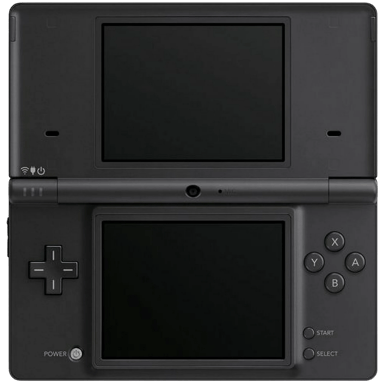
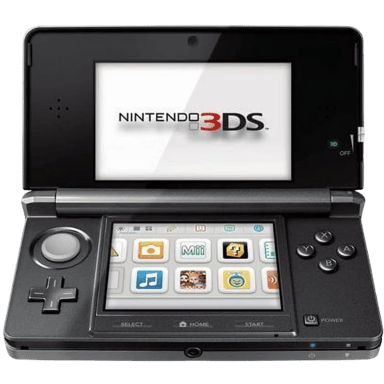
 Recaptor
 0
Cartling
0
Cartling